

How Much Water Should You Drink Every Day?
Water isn’t just “important” for your body — it’s the foundation almost everything else runs on. Every cell, tissue, and organ depends on it, from regulating temperature to keeping your digestion and energy levels steady.
The most common question people ask is: “How much water should I actually drink every day?”
The honest answer is — it depends. Age, activity level, climate, and overall health all play a role. But building a simple daily hydration habit is one of the easiest ways to feel better, day to day.
This article covers why water matters, how much you actually need, warning signs of dehydration, and practical tips to drink more without overthinking it.
Why Is Water Important for Your Body?
| Function | How Water Helps |
| Body functions | Carries nutrients, removes waste, keeps systems running |
| Digestion | Helps prevent issues like constipation |
| Energy levels | Even mild dehydration causes tiredness and poor focus |
| Temperature control | Regulates body heat through sweating |
| Skin health | Supports a healthier, more refreshed look |
How Much Water Should You Drink Every Day?
There’s no one-size-fits-all number — your needs shift based on:
- Physical activity
- Climate and weather
- Body size
- Diet
- Health conditions
As a general guideline:
| Group | Total Daily Water (from all sources) |
| Men | ~3.7 liters |
| Women | ~2.7 liters |
This total includes water from both drinks and food — not just what you sip from a glass. A simpler rule of thumb many people follow is 6–8 glasses a day, though your actual need could be higher or lower depending on the factors above.
Signs You May Not Be Drinking Enough Water
Your body is pretty good at signaling when it’s running low. Watch for:
| Sign | What It Means |
| Dark yellow urine | A common early indicator you need more fluids |
| Fatigue | Low hydration can drain your energy fast |
| Headaches | Dehydration can trigger or worsen headaches |
| Dry mouth | Often the simplest, earliest thirst signal |
| Dizziness | A sign of more severe dehydration — take it seriously |
Simple Tips to Drink More Water
- Start your day with a glass of water — you’re naturally dehydrated after hours of sleep.
- Carry a water bottle — visibility and convenience drive habit far more than willpower.
- Set reminders — a simple phone alert works if you tend to forget.
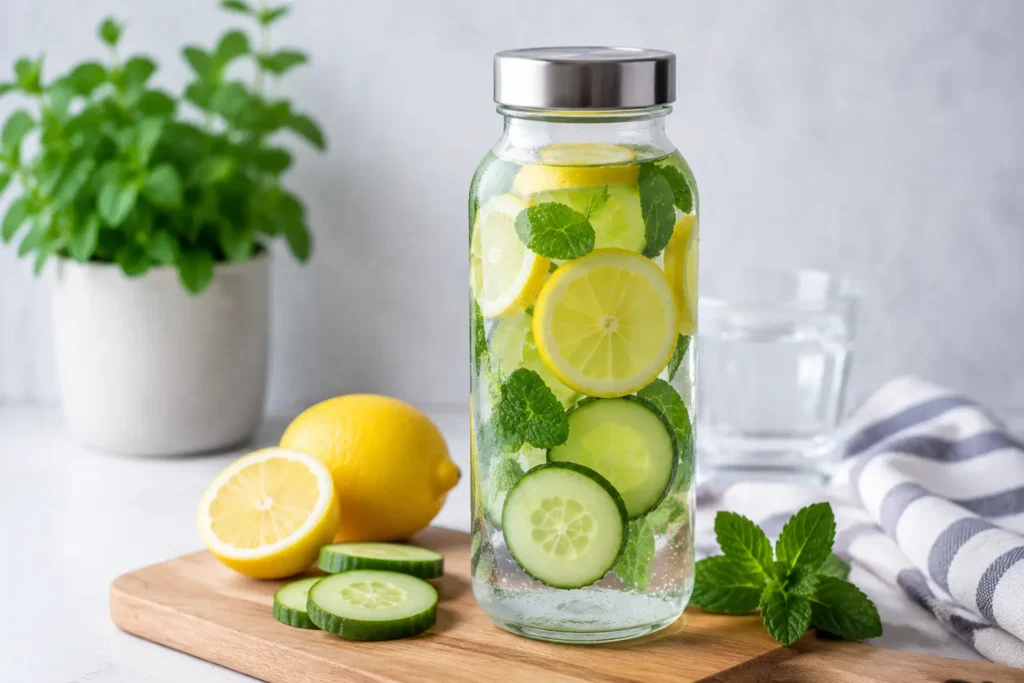
- Add natural flavor — lemon, cucumber, or mint can make plain water more appealing.
- Drink before meals — it supports hydration and can naturally help with portion control.
Can You Drink Too Much Water?
Yes — and it’s worth taking seriously. Drinking excessive amounts of water in a short period can dilute your body’s sodium levels, a condition known as hyponatremia, which in rare severe cases can be dangerous.
The takeaway isn’t to fear water — it’s to drink steadily throughout the day rather than force large amounts at once. Balance, not extremes, is the goal.
Best Times to Drink Water

- After waking up
- Before and after exercise
- Between meals
- When you feel thirsty
- A small amount before sleeping, if needed
Frequently Asked Questions
1. How many glasses of water should I drink daily?
Most people land around 6–8 glasses, but activity level, weather, and health conditions shift that number.
2. Is drinking water good for weight loss?
It can help — water supports fullness and is a natural swap for high-calorie drinks.
3. Can I drink other beverages instead of water?
Other drinks provide some fluid, but plain water remains the most reliable choice for hydration.
4. What happens if I don’t drink enough water?
Expect fatigue, headaches, poor concentration, and other signs of dehydration over time.
5. Is drinking water before sleeping a good idea?
A small amount is fine — just don’t overdo it, or frequent bathroom trips may disrupt your sleep.
Conclusion
Water is one of the simplest, most overlooked levers for better health — supporting digestion, energy, temperature regulation, and overall wellness. Instead of waiting until you’re thirsty, build hydration into your daily rhythm: keep water nearby, sip regularly, and pay attention to what your body is telling you.
It’s a small habit — but it adds up to a real difference.