
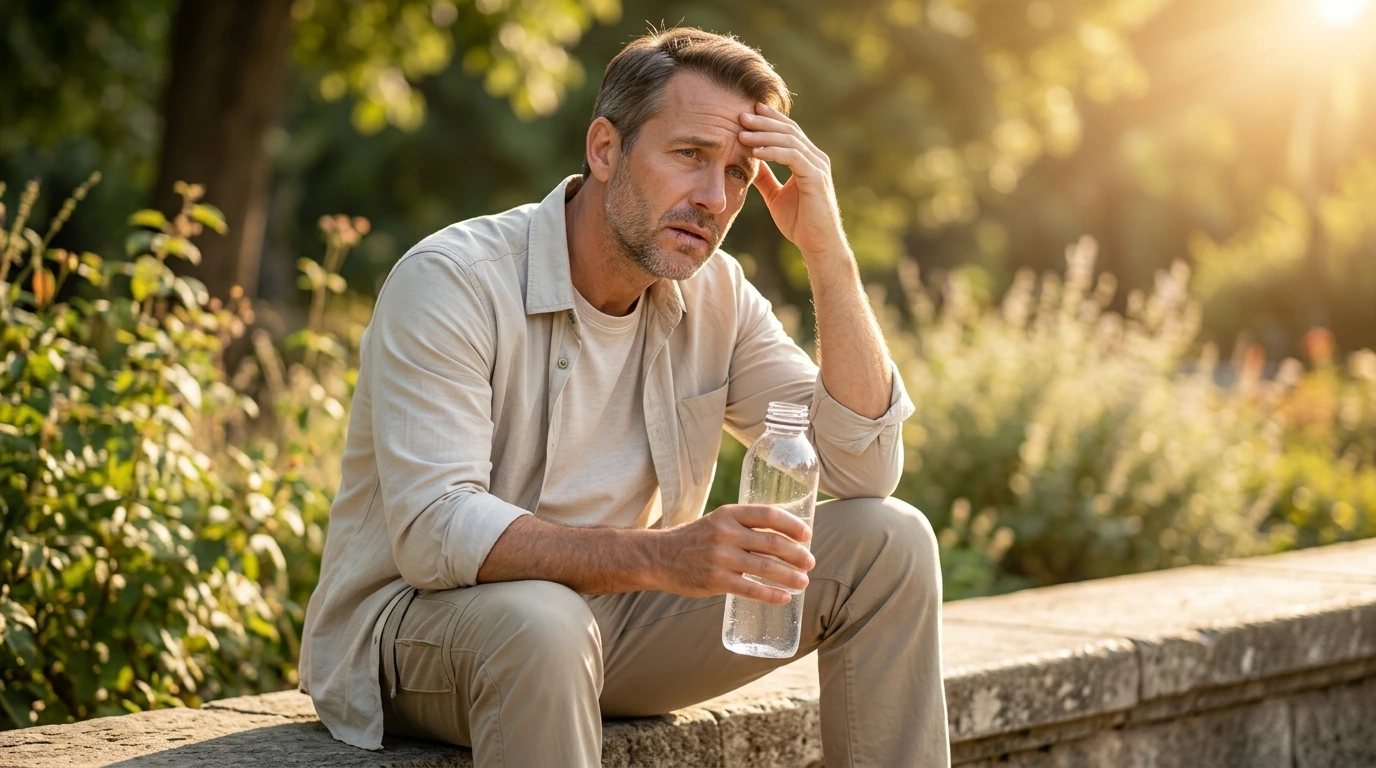
Common Signs of Dehydration and How to Prevent It
Water is something your body needs every day. It helps support normal body functions, regulates temperature, and plays an important role in many processes happening inside your body.
When your body loses more fluid than you replace, dehydration can occur. It can happen after exercise, during hot weather, when you’re sick, or simply when you don’t drink enough throughout the day.
Mild dehydration can sometimes be easy to overlook. You might simply feel thirsty, tired, or notice that your urine is darker than usual. Recognizing these early signs can encourage you to pay more attention to your fluid intake.
In this article, we’ll explain the common signs of dehydration, what can cause it, how to prevent it, and when dehydration may require medical attention.
What Is Dehydration?
Dehydration happens when your body doesn’t have enough fluid to function normally.
Your body naturally loses water through processes such as:
- Urination
- Sweating
- Breathing
- Bowel movements
Normally, you replace these fluids through drinking and eating. However, fluid losses can increase in situations such as hot weather, exercise, fever, vomiting, or diarrhea.
Why Does Hydration Matter?
Adequate hydration supports normal:
- Body temperature regulation
- Physical performance
- Digestion
- Circulation
- Removal of waste through urine
- Everyday energy and concentration
Your fluid requirements aren’t exactly the same every day. They can change depending on your activity, environment, food intake, and individual circumstances.
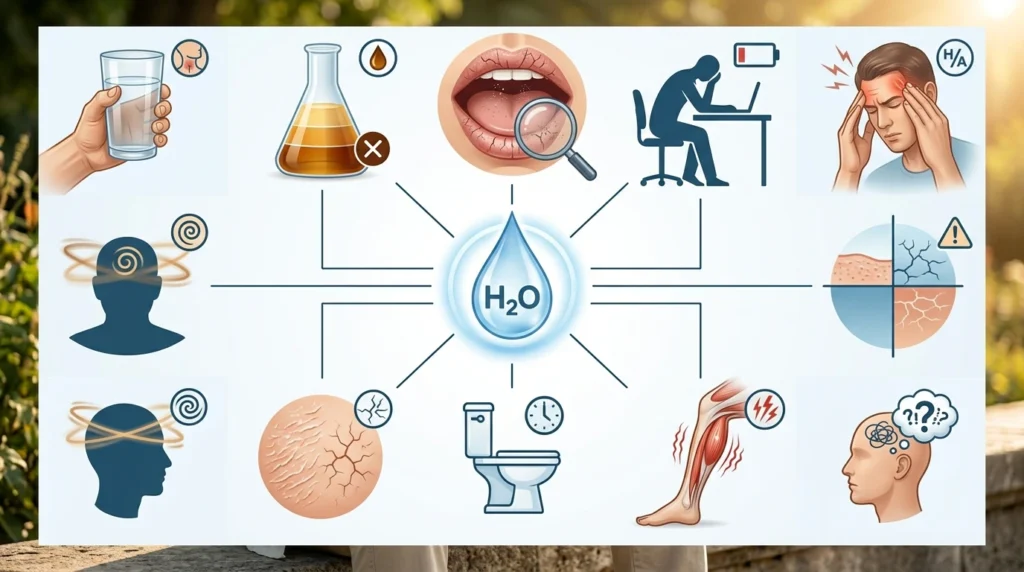
10 Common Signs of Dehydration
1. Feeling Thirsty
Thirst is one of the most familiar signs that your body needs more fluid.
However, don’t wait until you’re extremely thirsty every time before drinking. Regularly having fluids throughout the day can help you stay hydrated.
A Simple Habit
Keep a water bottle nearby at work, school, or while traveling. Having water within reach makes it easier to remember to drink.
2. Darker Urine
Urine color can provide a general clue about hydration.
When you’re well hydrated, urine is often pale yellow. Darker yellow urine can occur when your body is conserving water.
However, urine color can also be affected by medications, supplements, and certain foods, so it isn’t a perfect hydration test.
What to Look For
Instead of worrying about achieving one exact color, pay attention to noticeable changes from your normal pattern.
3. Dry Mouth
A dry or sticky feeling in your mouth can occur when you’re not getting enough fluids.
You may also notice that your mouth feels unusually dry during hot weather or after physical activity.
Drinking water regularly can help maintain normal hydration.
4. Feeling Tired
Not drinking enough fluids can sometimes contribute to feelings of tiredness or reduced energy.
If you’ve been active, sweating, or spending time in a hot environment, fluid losses may be higher than usual.
Don’t Assume It’s Always Dehydration
Tiredness can have many possible causes, including lack of sleep, stress, illness, or not eating enough. Dehydration is only one possibility.
5. Headache
Some people may experience a headache when they haven’t consumed enough fluids.
If you develop a headache after being in the heat or exercising, consider whether you’ve been drinking enough.
If headaches are severe, frequent, or unusual for you, don’t assume dehydration is the cause.
6. Dizziness or Lightheadedness
Dehydration can sometimes be associated with dizziness or lightheadedness, particularly when fluid loss is significant.
If you feel dizzy, sit or lie down somewhere safe and avoid continuing strenuous activity until you feel better.
Important
Severe or persistent dizziness needs medical attention, especially if it occurs with other concerning symptoms.
7. Dry Skin
Your skin may feel dry when you’re dehydrated, although dry skin can have many other causes.
Weather, low humidity, skincare products, and certain health conditions can also affect your skin.
So dry skin alone doesn’t necessarily mean that you’re dehydrated.
8. Less Frequent Urination
When your body doesn’t have enough fluid, it may conserve water.
As a result, you may urinate less frequently than usual.
If you notice a significant change in your normal urination pattern, particularly alongside other dehydration symptoms, pay attention to your fluid intake and how you’re feeling.
9. Muscle Cramps
Heavy sweating can cause your body to lose both fluids and electrolytes.
During prolonged or intense physical activity, this may contribute to muscle cramps in some situations.
During Exercise
If you’re exercising for a long period, especially in hot conditions, your hydration needs may be higher than they are during a normal day.
10. Confusion or Extreme Weakness
More serious dehydration can cause significant weakness, confusion, or changes in alertness.
These symptoms should not be ignored.
If someone is severely confused, extremely weak, fainting, unable to drink, or showing other serious symptoms, seek urgent medical help.
Mild vs. More Serious Signs of Dehydration
| Signs You May Notice | More Concerning Signs |
| Increased thirst | Confusion or major changes in alertness |
| Dry mouth | Fainting |
| Darker urine | Severe weakness |
| Mild tiredness | Very little or no urination |
| Mild headache | Rapid worsening symptoms |
| Feeling slightly lightheaded | Inability to keep fluids down |
| Dry-feeling skin | Other signs of serious illness |
This table is a general guide, not a way to diagnose dehydration. Serious or rapidly worsening symptoms require appropriate medical attention.
What Can Cause Dehydration?
Dehydration isn’t always caused by simply forgetting to drink water.
Several situations can increase fluid loss.
Hot Weather
High temperatures can cause increased sweating.
If you’re outside for long periods, especially during very hot weather, you may need more fluids than usual.
Hot-Weather Tips
- Drink fluids regularly
- Take breaks in shaded or cool areas
- Wear lightweight clothing
- Avoid unnecessary strenuous activity during the hottest part of the day
Exercise
Physical activity can increase sweating, particularly during long or intense workouts.
The more you sweat, the more important it becomes to pay attention to fluid replacement.
Before Exercise
Start your activity adequately hydrated rather than waiting until you’re already thirsty.
During Exercise
For longer or harder workouts, drink fluids according to your thirst, conditions, and individual needs.
After Exercise
Replace fluids you’ve lost through sweating and continue drinking normally afterward.
Fever
A fever can increase fluid loss.
If you’re sick, pay attention to your fluid intake and drink regularly if you can.
Vomiting or Diarrhea
Vomiting and diarrhea can cause significant fluid and electrolyte losses.
In these situations, replacing fluids is especially important.
If symptoms are severe, persistent, or you cannot keep fluids down, seek medical advice.
How to Prevent Dehydration

Preventing dehydration is usually easier than trying to catch up after becoming significantly dehydrated.
1. Drink Throughout the Day
Instead of drinking a huge amount all at once, make fluids part of your normal routine.
For example:
- Drink after waking up
- Have water with meals
- Drink during physical activity
- Keep water available while working
- Have fluids when you’re spending time outdoors
2. Carry a Reusable Water Bottle
A reusable bottle makes water easier to access.
It can also serve as a visual reminder to drink regularly.
Make It Convenient
Keep your bottle:
- On your desk
- In your bag
- Near your workout area
- In your car when appropriate
3. Eat Water-Rich Foods
You don’t get fluid only from beverages.
Many foods contain significant amounts of water.
Examples Include
- Watermelon
- Cucumber
- Oranges
- Strawberries
- Melons
- Tomatoes
- Soups
These foods can contribute to your overall fluid intake while also providing nutrients.
4. Drink More During Hot Weather
Your fluid needs may increase when you’re sweating more.
If you’re spending several hours outdoors in hot conditions, take regular opportunities to drink and cool down.
5. Pay Attention During Exercise
Don’t treat hydration as something you only think about after exercising.
Make fluids part of your overall workout routine, particularly during longer sessions or hot conditions.
Water vs. Other Drinks for Hydration
Water is an excellent everyday choice, but other beverages and foods can contribute to your total fluid intake.
| Option | Everyday Use | Things to Consider |
| Water | Excellent choice | Simple and calorie-free |
| Milk | Can contribute fluid and nutrients | Contains calories and nutrients |
| Unsweetened tea | Can contribute fluid | Caffeine may affect some people |
| Sugary drinks | Provides fluid | Often adds substantial sugar |
| Sports drinks | May be useful in some prolonged exercise situations | Can contain added sugar and sodium |
| Fruits & vegetables | Contribute water through food | Also provide nutrients |
For most everyday situations, plain water is a simple option. During prolonged or intense exercise, individual hydration and electrolyte needs can be different.
How Much Water Should You Drink?
There’s no single amount that every person must drink each day.
Fluid needs can vary depending on:
- Age
- Body size
- Physical activity
- Climate
- Sweating
- Diet
- Pregnancy or breastfeeding
- Illness
- Individual health conditions
Instead of focusing on one universal number, think about maintaining regular fluid intake throughout the day and increasing it when you’re losing more fluid.
A Practical Approach
Drink regularly and pay attention to signals such as thirst, urine changes, sweating, and how you feel.
People with certain medical conditions may have specific fluid restrictions or requirements, so they should follow advice from their healthcare professional.
Hydration During Exercise
Exercise changes the way your body handles fluids because you may lose water through sweat.
Short, Easy Workouts
For many short activities, drinking water according to thirst may be sufficient.
Longer Workouts
Longer or more intense exercise, particularly in hot conditions, can require more careful attention to fluids and electrolytes.
After Heavy Sweating
If you’ve been sweating heavily, replacing both fluids and electrolytes may be important.
There isn’t one hydration strategy that works for every athlete, so people doing prolonged endurance exercise should consider guidance suited to their activity.
Common Hydration Mistakes
Waiting Until You’re Extremely Thirsty
Thirst is useful, but making hydration part of your routine can be easier than constantly trying to catch up.
Drinking Almost Nothing During Hot Days
Heat and sweating can increase fluid loss, so your normal routine may need to change.
Forgetting About Fluids During Exercise
If you’re exercising for a long time, especially outdoors, don’t ignore fluid replacement.
Relying Mostly on Sugary Drinks
Sugary beverages can provide fluid, but drinking them frequently can add a lot of added sugar to your diet.
Drinking Excessive Amounts of Water
More water isn’t always better.
Drinking an excessive amount in a short period can be dangerous because it can lower the concentration of sodium in the blood.
Hydration means maintaining an appropriate fluid balance, not simply drinking as much water as possible.
When Should You Seek Medical Help?
Mild dehydration may improve after replacing fluids, but more serious symptoms need professional attention.
Seek urgent medical help if dehydration is accompanied by symptoms such as:
- Fainting
- Severe confusion
- Significant changes in alertness
- Inability to keep fluids down
- Very little or no urination
- Severe weakness
- Rapid worsening of symptoms
Infants, young children, older adults, and people who are sick may be more vulnerable to dehydration and may need earlier medical attention.
Simple Daily Hydration Routine
You can make hydration part of habits you already have.
Morning
Have a glass of water after waking up.
With Meals
Drink water with breakfast, lunch, and dinner.
During Work
Keep a bottle nearby and take regular drinks.
Before Activity
Make sure you’re not starting exercise already dehydrated.
After Activity
Replace fluids lost through sweating.
This doesn’t have to be a strict schedule. The idea is simply to make drinking fluids a normal part of your day.
Frequently Asked Questions
1. What is the first sign of dehydration?
Thirst is one of the most common early signs. Other possible signs include darker urine, dry mouth, tiredness, and reduced urination.
2. What color should urine be when you’re hydrated?
Pale yellow urine is commonly associated with adequate hydration, while darker urine can occur when you’re more concentrated. However, urine color isn’t a perfect measurement because medications, supplements, and foods can change it.
3. Can dehydration cause headaches?
Dehydration can be associated with headaches in some people. However, headaches have many possible causes, so don’t assume dehydration is responsible for every headache.
4. Can you become dehydrated in winter?
Yes. Cold weather doesn’t eliminate fluid loss. You still lose water through breathing, urination, and daily activities.
5. Does coffee cause dehydration?
Caffeinated drinks still contribute fluid. Moderate caffeine consumption does not simply cancel out the fluid in the drink, although large amounts of caffeine may affect some people differently.
6. Are fruits good for hydration?
Yes. Many fruits contain substantial amounts of water and can contribute to your overall fluid intake.
7. Do you need sports drinks every time you exercise?
Not necessarily. For many short or moderate everyday workouts, water may be enough. Sports drinks can have a role during certain prolonged or intense activities, particularly when substantial sweating occurs.
8. Can you drink too much water?
Yes. Excessive water intake can be dangerous because it can dilute sodium in the blood. Hydration should be balanced rather than excessive.
9. Who is more at risk of dehydration?
Risk can be higher for infants, young children, older adults, people exercising in heat, and people experiencing illnesses that cause vomiting, diarrhea, or fever.
10. When is dehydration an emergency?
Severe confusion, fainting, significant weakness, inability to keep fluids down, very little or no urination, or rapidly worsening symptoms can be warning signs requiring urgent medical attention.
Conclusion
Staying hydrated is a simple part of looking after your health, but it’s easy to forget when you’re busy.
Pay attention to signs such as thirst, darker urine, dry mouth, tiredness, dizziness, and reduced urination, particularly when you’re exercising, sick, or spending time in hot weather.
You don’t need to obsess over one exact water target. Instead, make fluids part of your everyday routine, drink more when you’re losing extra fluid, and remember that foods such as fruits and vegetables can also contribute to your overall fluid intake.
Most importantly, don’t ignore serious symptoms. If someone is severely confused, fainting, extremely weak, unable to keep fluids down, or showing signs of severe dehydration, seek medical help promptly.