10 Healthy Foods That Are Good for Your Heart
Your heart works around the clock, so giving your body nutritious food is one simple way to support your overall health. The good thing is that eating for heart health does not have to mean following a complicated diet.
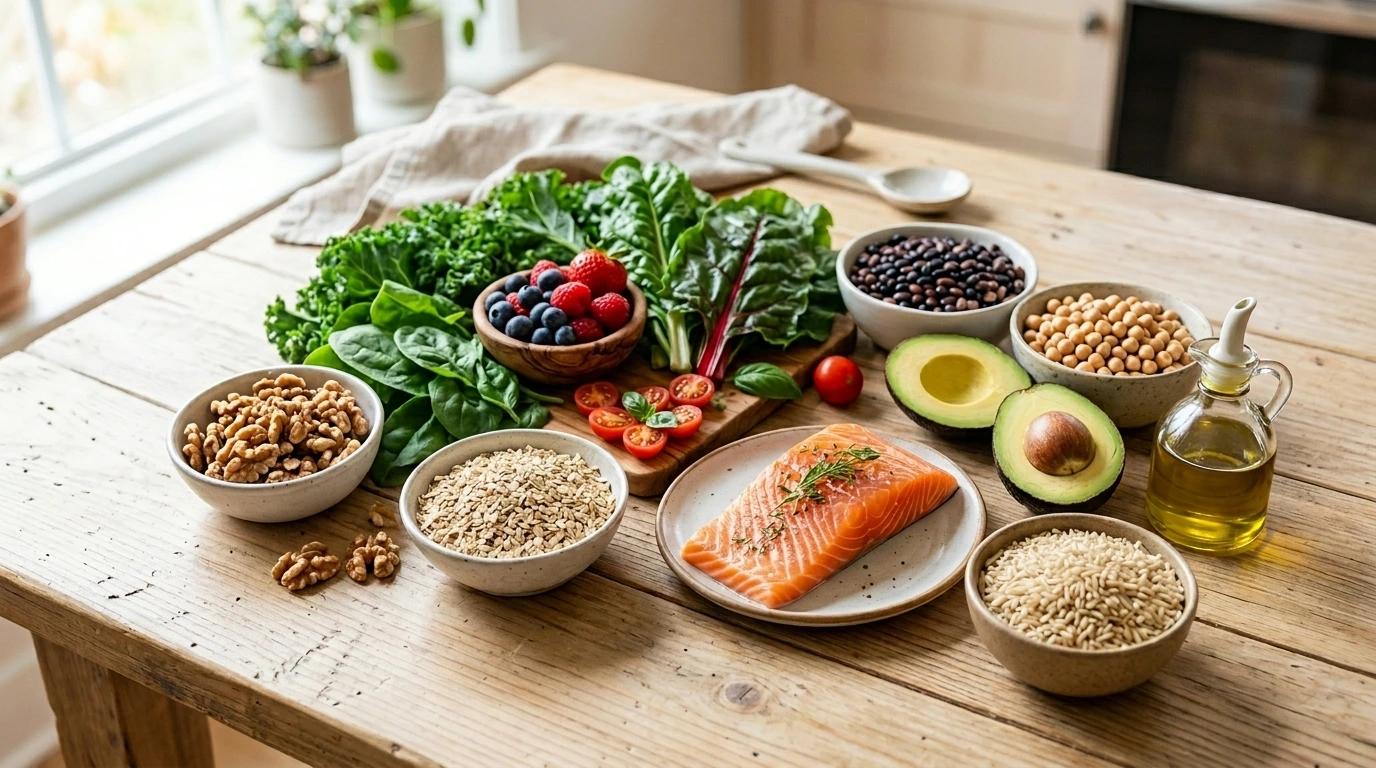
There are plenty of everyday foods that can easily become part of your meals. Fruits, vegetables, whole grains, beans, nuts, fish, and healthy sources of fat can all fit into a balanced eating pattern.
In this article, we’ll look at 10 healthy foods that are good choices for your heart, along with simple ideas for adding them to your everyday meals.
Why Is a Healthy Diet Important for Your Heart?
What you eat regularly can affect several parts of your overall health, including your blood pressure, cholesterol levels, weight, and blood sugar.
A heart-friendly eating pattern usually focuses on whole and minimally processed foods rather than heavily processed meals.
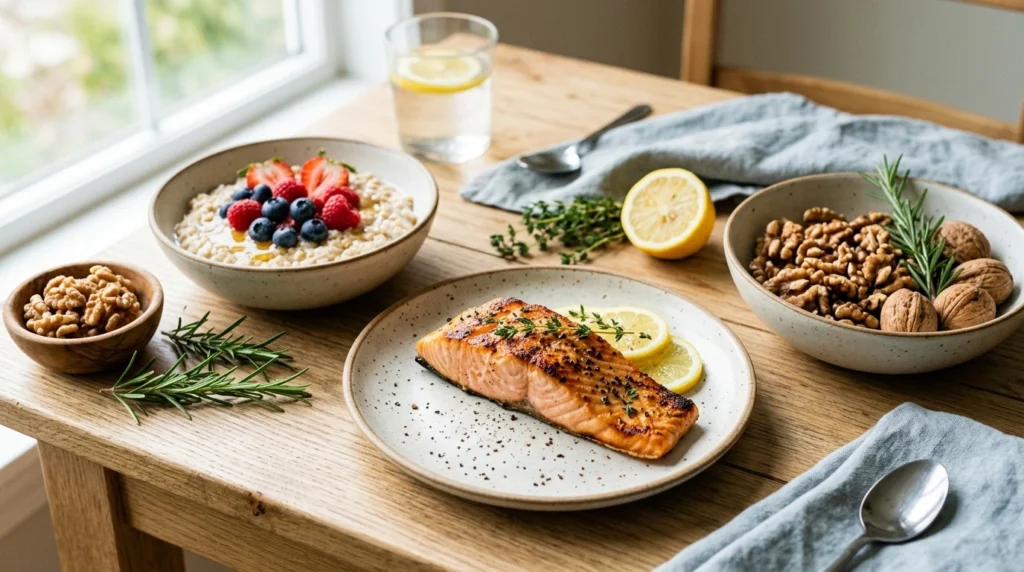
Try to include more:
- Vegetables and fruits
- Whole grains
- Beans and lentils
- Nuts and seeds
- Fish and seafood
- Lean sources of protein
- Unsaturated fats
At the same time, it is helpful to keep foods high in added sugar, sodium, saturated fat, and highly processed ingredients to a minimum.
The goal isn’t perfection. It’s simply to make nutritious choices more often.
10 Healthy Foods That Are Good for Your Heart
1. Oats
Oats are an easy food to add to your breakfast routine. They are a whole grain and provide dietary fiber, making them a filling option for the start of the day.
Instead of buying heavily sweetened flavored oatmeal, try plain oats and add your own toppings.
Easy Ways to Eat Oats
You can make oatmeal with:
- Fresh berries
- Banana slices
- Walnuts
- Apple and cinnamon
- Plain yogurt
Simple idea: Prepare overnight oats the night before when you know you’ll have a busy morning.
2. Salmon and Other Fatty Fish
Salmon, sardines, trout, and mackerel are good sources of protein and omega-3 fatty acids.
Adding fish to your meals can also give you an alternative to regularly eating processed or fatty meats.
How to Prepare Fish
Try keeping the preparation simple:
- Bake it with lemon and herbs
- Grill it with vegetables
- Add it to a whole-grain bowl
- Serve it alongside a fresh salad
You don’t need complicated sauces or heavy frying to make fish taste good. Fresh herbs, lemon, garlic, and a little olive oil can go a long way.
3. Walnuts
Walnuts make a convenient snack and contain unsaturated fats along with protein and other nutrients.
They’re also easy to add to foods you already eat.
Try Walnuts With
- Oatmeal
- Plain yogurt
- Fresh fruit
- Salads
- Homemade snack mixes
When possible, choose plain or unsalted walnuts rather than varieties covered with extra salt or sugar.
4. Leafy Green Vegetables
Spinach, kale, lettuce, and other leafy greens are an easy way to make your meals more nutritious.
If you don’t normally eat many vegetables, you don’t have to change your entire diet at once. Start by adding a small serving to one meal each day.
Simple Ideas
Add leafy greens to:
- Salads
- Omelets
- Sandwiches
- Soups
- Wraps
- Grain bowls
A handful of spinach can also be added to a smoothie if you enjoy smoothies.
5. Beans and Lentils
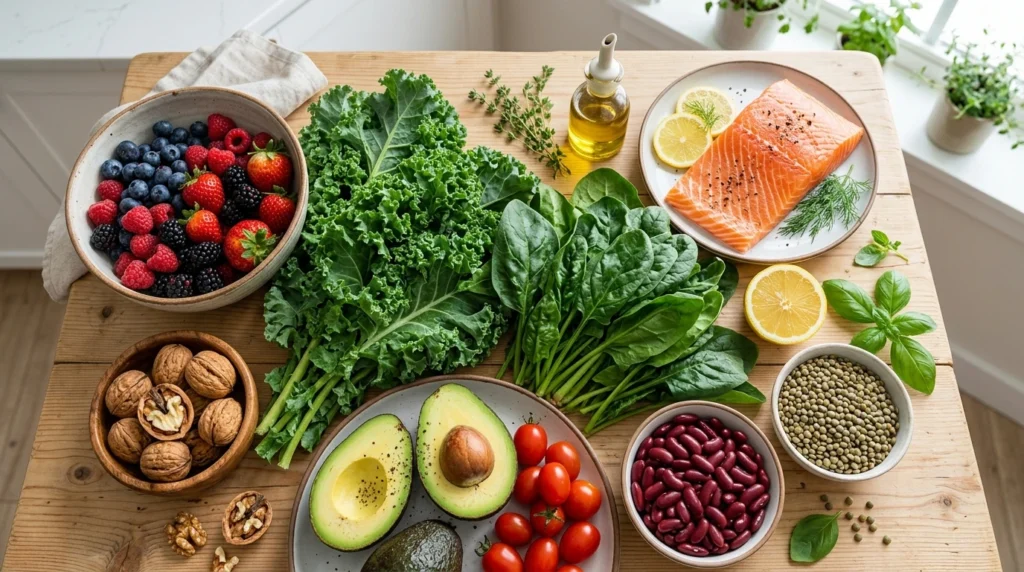
Beans, chickpeas, peas, and lentils are affordable and versatile foods that can add plant-based protein and fiber to your meals.
They’re particularly useful when you want to make a filling meal without relying entirely on meat.
Meal Ideas
Try:
- Lentil soup
- Chickpea salad
- Bean curry
- Lentil and vegetable bowls
- Homemade hummus
If you buy canned beans, check the label for lower-sodium options. Rinsing canned beans can also help remove some of the sodium.
6. Avocado
Avocado has a creamy texture and contains mostly unsaturated fat, making it an easy ingredient for a variety of meals.
You don’t need a complicated recipe. A few slices can completely change a simple meal.
How to Use Avocado
Try it:
- On whole-grain toast
- In a salad
- In a sandwich
- With beans
- As a topping for a grain bowl
Although avocado is nutritious, it is still energy-dense, so a sensible portion can fit well into a balanced meal.
7. Berries
Strawberries, blueberries, raspberries, and similar fruits are an easy way to add more fruit to your diet.
They’re naturally sweet, which makes them useful when you’re looking for an alternative to sugary desserts or snacks.
Quick Berry Ideas
Add berries to:
- Oatmeal
- Plain yogurt
- Smoothies
- Whole-grain cereal
- A simple fruit bowl
Frozen berries can also be a convenient option when fresh fruit isn’t available.
8. Brown Rice
Brown rice is a whole-grain option that can replace refined grains in many everyday meals.
It works especially well in dishes where you already use vegetables and a source of protein.
What Goes Well With Brown Rice?
Try combining it with:
- Beans and vegetables
- Grilled fish
- Chicken and vegetables
- Chickpeas
- Vegetable stir-fry
You can also cook a larger batch and keep portions ready for quick meals during the week.
9. Tomatoes
Tomatoes are one of those foods that can fit into almost any meal. They add freshness to salads and sandwiches and can also be used in soups and homemade sauces.
Easy Ways to Eat More Tomatoes
Try them in:
- Fresh salads
- Sandwiches
- Omelets
- Homemade tomato sauce
- Vegetable soups
Using fresh ingredients such as tomatoes, herbs, garlic, and lemon can also help you add flavor without depending heavily on salty sauces.
10. Olive Oil
Olive oil is a source of unsaturated fat and can be useful when replacing fats that contain more saturated fat.
A small amount is often enough to add flavor to a meal.
Simple Uses for Olive Oil
Use it for:
- Homemade salad dressing
- Roasting vegetables
- Lightly sautéing vegetables
- Drizzling over a grain bowl
- Adding flavor to cooked beans
As with any cooking oil, portion size still matters.
Quick Comparison of These 10 Foods
| Food | Why It Can Fit a Heart-Friendly Diet | Easy Meal Idea |
| Oats | Whole grain with dietary fiber | Oatmeal with berries |
| Salmon | Provides protein and omega-3 fats | Baked salmon with vegetables |
| Walnuts | Provides unsaturated fats and nutrients | Add to yogurt or oatmeal |
| Leafy Greens | Adds vegetables, fiber and nutrients | Fresh salad |
| Beans & Lentils | Plant-based protein and fiber | Lentil soup or bean bowl |
| Avocado | Provides mostly unsaturated fat | Whole-grain avocado toast |
| Berries | Nutritious fruit with natural sweetness | Yogurt with berries |
| Brown Rice | Whole-grain alternative to refined grains | Rice and vegetable bowl |
| Tomatoes | Versatile vegetable for many meals | Salad or homemade sauce |
| Olive Oil | Source of unsaturated fat | Homemade salad dressing |
Remember: no single food can make a diet healthy on its own. What matters most is the overall pattern of what you eat regularly.
How to Build a Heart-Friendly Meal
You don’t need to calculate every nutrient in your food to make a balanced meal.
Instead, think about variety.
A Simple Meal Formula
Start with vegetables or fruit
Add a generous serving of vegetables, or include fruit as part of the meal.
Choose a whole grain
Brown rice, oats, whole-grain bread, or another whole-grain option can provide the carbohydrate base.
Add protein
Beans, lentils, fish, or another lean protein source can make the meal more filling.
Finish with a healthy fat
A little olive oil, avocado, nuts, or seeds can add flavor and healthy fats.
This simple approach gives you plenty of flexibility without forcing you to eat the same meals every day.
Foods to Eat Less Often
Eating heart-friendly foods is only one side of the equation. It’s also worth paying attention to foods that are easy to overeat or that commonly contain large amounts of sodium, added sugar, or saturated fat.
Consider limiting:
- Processed meats
- Sugary drinks
- Very salty packaged foods
- Foods high in added sugar
- Frequently fried foods
- Highly processed snacks
- Foods high in saturated fat
You don’t necessarily have to eliminate these foods completely. Instead, make nutritious foods the regular part of your meals and keep less nutritious choices occasional.
Simple Food Swaps You Can Try
Small swaps can be easier to maintain than making dramatic changes to your diet.
| Instead of | Try This |
| Sugary soft drink | Water or an unsweetened drink |
| White bread | Whole-grain bread |
| Processed meat | Beans, lentils or fish |
| Salty packaged snack | Unsalted nuts or fresh fruit |
| Heavy creamy dressing | Simple olive-oil-based dressing |
| Deep-fried food | Baked or grilled food |
You can make these changes one at a time rather than trying to change everything in a single day.
Easy Heart-Friendly Meal Ideas
Breakfast
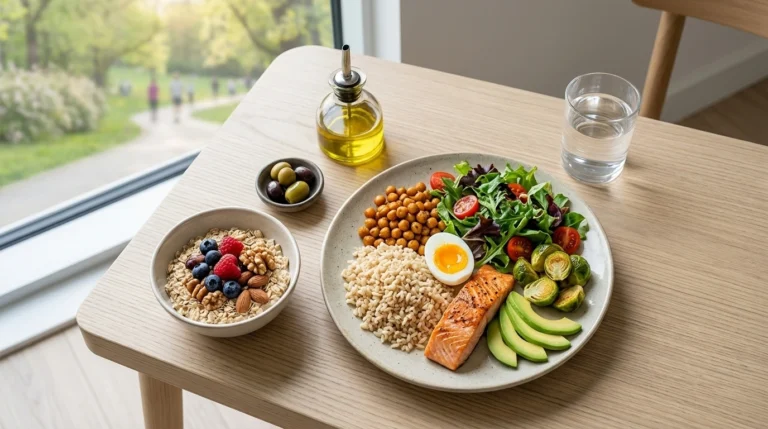
Berry and Walnut Oatmeal
Combine plain oats with berries, a few walnuts, and a little cinnamon.
It’s quick, filling, and easy to customize.
Lunch
Chickpea and Brown Rice Bowl
Combine brown rice with chickpeas, leafy greens, tomatoes, and avocado. Add a simple olive-oil and lemon dressing.
Dinner
Baked Salmon Plate
Serve baked salmon with brown rice and a generous portion of vegetables.
These are simply examples. Your meals can look completely different depending on your food preferences, budget, and routine.
5 Simple Tips for Better Heart-Friendly Eating
1. Shop With a Plan
Make a short grocery list before shopping. This can make it easier to choose nutritious ingredients instead of relying on convenience foods.
2. Keep Healthy Snacks Nearby
If fruit, plain yogurt, or unsalted nuts are easy to reach, you’re more likely to choose them when you’re hungry.
3. Read Food Labels
Check the nutrition information and compare products for sodium, added sugar, and saturated fat.
4. Cook at Home More Often
Cooking at home gives you more control over how much salt, oil, and sugar goes into your food.
5. Don’t Try to Change Everything Overnight
Start with one or two realistic changes. Once they become part of your routine, add another.
Frequently Asked Questions
1. What are the best foods for heart health?
There isn’t one food that is best for your heart. A variety of vegetables, fruits, whole grains, beans, nuts, fish, and healthy plant-based fats can all be part of a balanced eating pattern.
2. Are walnuts good for your heart?
Walnuts contain unsaturated fats and other nutrients and can fit into a heart-friendly diet. Choosing unsalted walnuts is a simple way to avoid unnecessary sodium.
3. Is salmon a healthy choice?
Salmon provides protein and omega-3 fatty acids and can be included as part of a balanced diet. Baking or grilling it is a simple alternative to deep-frying.
4. Is brown rice better than white rice?
Brown rice is a whole grain, while white rice is more refined. Choosing whole grains more often can be a useful part of a heart-conscious eating pattern.
5. Can I eat avocado every day?
Avocado can fit into a healthy diet because it provides mostly unsaturated fat. However, portion size still matters because avocado is relatively high in calories.
6. Do I have to stop eating meat?
Not necessarily. You can choose leaner protein sources and include more fish, beans, lentils, and other plant-based foods for variety.
7. Is olive oil healthy?
Olive oil is a source of unsaturated fat and can be used instead of fats higher in saturated fat. As with other oils, using a sensible amount is important.
8. What should I drink for better heart health?
Water is a simple everyday choice. Limiting sugary drinks can also help reduce added sugar in your diet.
9. Can healthy food prevent heart disease?
A healthy eating pattern can support cardiovascular health, but diet is only one part of the picture. Physical activity, sleep, smoking status, genetics, and other factors also matter.
10. How can I start eating healthier today?
Start small. Add vegetables to one meal, replace a sugary drink with water, choose whole grains, or keep unsalted nuts and fruit available for snacks.
Conclusion
Eating for your heart doesn’t have to mean giving up enjoyable food or following a strict meal plan.
Simple choices such as adding oats to breakfast, vegetables to lunch, beans or lentils to dinner, and nuts or fruit for snacks can gradually make your overall diet more nutritious.
The bigger picture matters more than any individual food. Aim for variety, choose minimally processed foods more often, and keep foods high in sodium, added sugar, and saturated fat as occasional choices.
You don’t have to change everything today. Start with one small food swap and build from there.